Understanding the Inventory Mix
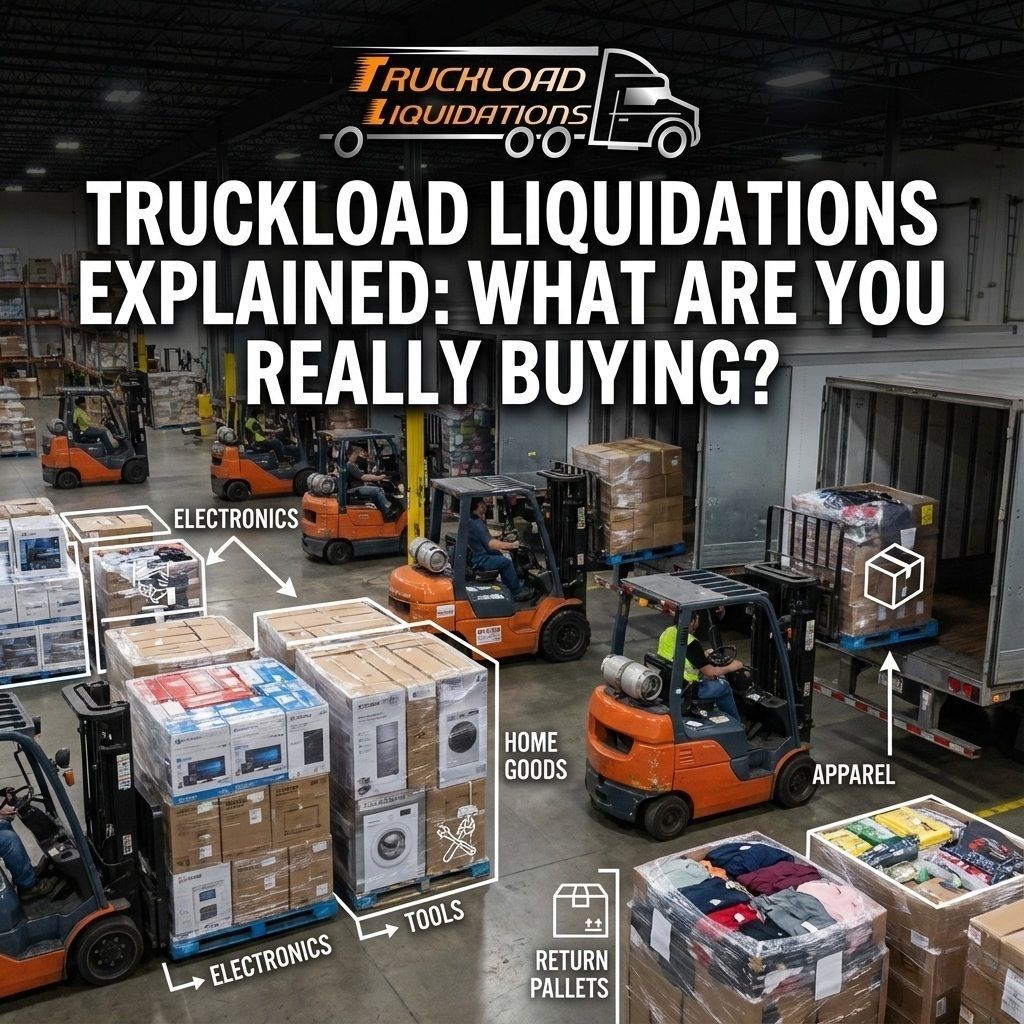
When you purchase truckload liquidations, you are buying a specific category of inventory that retailers need to move off their balance sheets. Most loads fall into three categories: customer returns, shelf pulls (overstock), and seasonal clearances.
For many resellers, the most consistent performer is a General Merchandise Truckload. These loads offer a broad variety of household goods, kitchenware, and small appliances, providing a "something for everyone" inventory mix that works perfectly for bin stores and flea markets.
Niche Inventory: Tools and Hard Goods
If you have a customer base looking for higher ticket items, Tools Truckloads are often the preferred choice. These loads typically feature power tools, hand tools, and outdoor equipment from major hardware brands. While the unit count may be lower than general merchandise, the individual item value is significantly higher.
Capitalizing on Seasonal Trends
Timing your purchases with the retail calendar is one of the fastest ways to scale. Smart buyers often look for Holiday Specials to stock up on seasonal decor and gift items at a fraction of the cost. These loads are time-sensitive but offer some of the highest ROIs in the industry when sold during peak shopping months.
What to Expect on the Manifest
Unless you are buying "Raw Returns," most reputable truckloads come with a manifest. However, it is important to remember:
- Manifest Accuracy: Usually ranges between 90-95%.
- Condition: Expect a mix of "Like New" packaging and some distressed boxes.
- Direct Sourcing: Buying from a source that owns the inventory (not a broker) ensures you receive the load exactly as it left the reclamation center.
Conclusion
Buying a truckload is an investment in volume. By choosing the right category—whether it’s general goods, tools, or seasonal specials—you can build a sustainable inventory pipeline that keeps your shelves full and your margins high.