Retailer Source and Brand Recognition
One of the most significant factors impacting truckload liquidation pricing is the original retailer. Inventory sourced directly from major national retailers tends to carry stronger brand recognition, better assortment consistency, and higher resale confidence.
For example, Target premium general merchandise truckloads often include well-known household brands, seasonal items, and décor that perform reliably in physical retail environments.
Inventory Condition and Processing Level
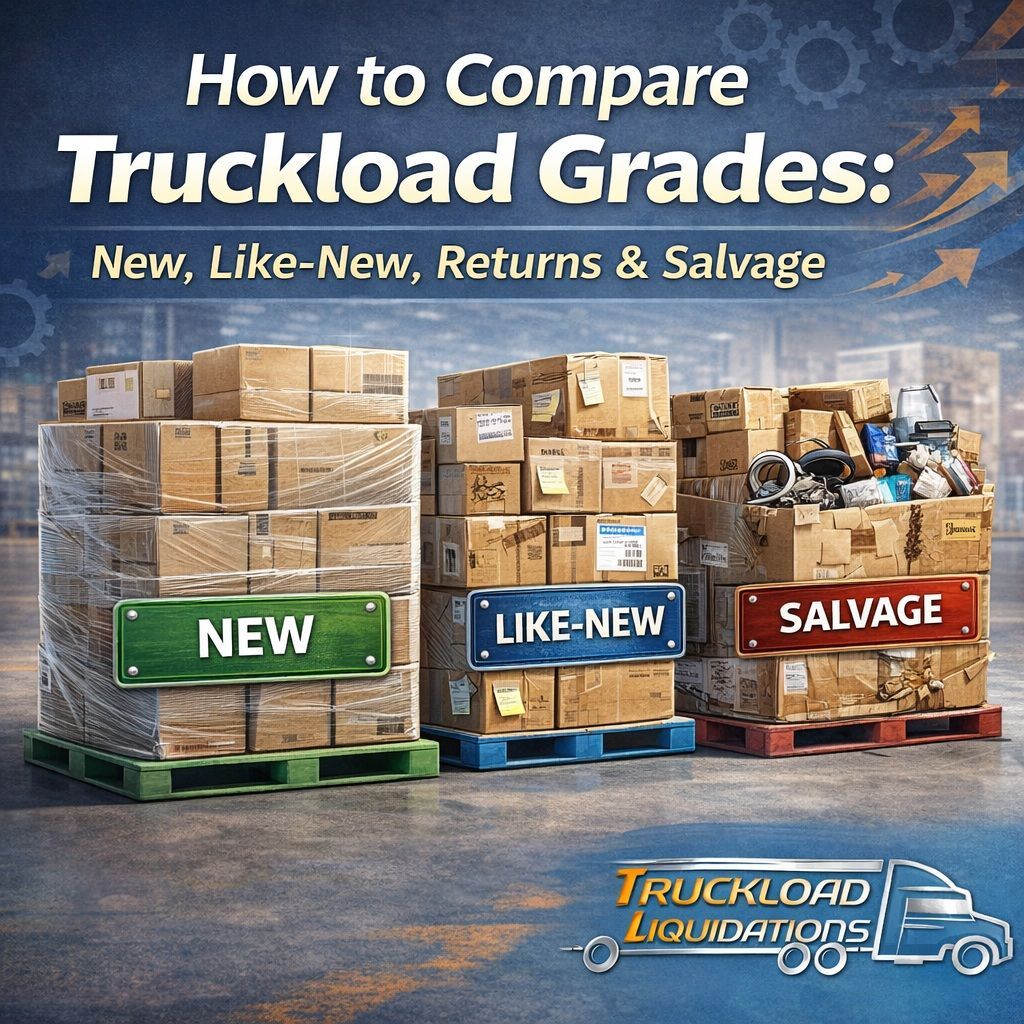
Condition directly affects price. Brand new overstock and shelf pulls command higher costs because they require little to no labor before resale. Customer returns, on the other hand, are priced lower due to the uncertainty and processing required.
Loads that are tested, sorted, or fully manifested typically cost more upfront but offer greater predictability and reduced operational risk.
Product Size and Category Mix
Smaller, lightweight items are easier to ship, store, and sell online, which increases their overall value. This makes medium-sized general merchandise loads particularly attractive to e-commerce sellers.
This is why Amazon medium truckloads often price higher per pallet compared to oversized freight, despite similar retail values.
Market Demand and Seasonality
Liquidation pricing fluctuates based on demand cycles. Seasonal merchandise can see major price swings depending on timing. Buying off-season inventory often results in lower acquisition costs but may require longer holding periods.
Experienced buyers leverage seasonality to secure high-quality inventory below market value and maximize returns during peak selling periods.
Manifest Accuracy and Transparency
Loads with detailed manifests, accurate SKU counts, and clear condition disclosures reduce uncertainty and justify higher pricing. Transparency allows buyers to model profitability before committing funds.
Understanding Value Beyond Price
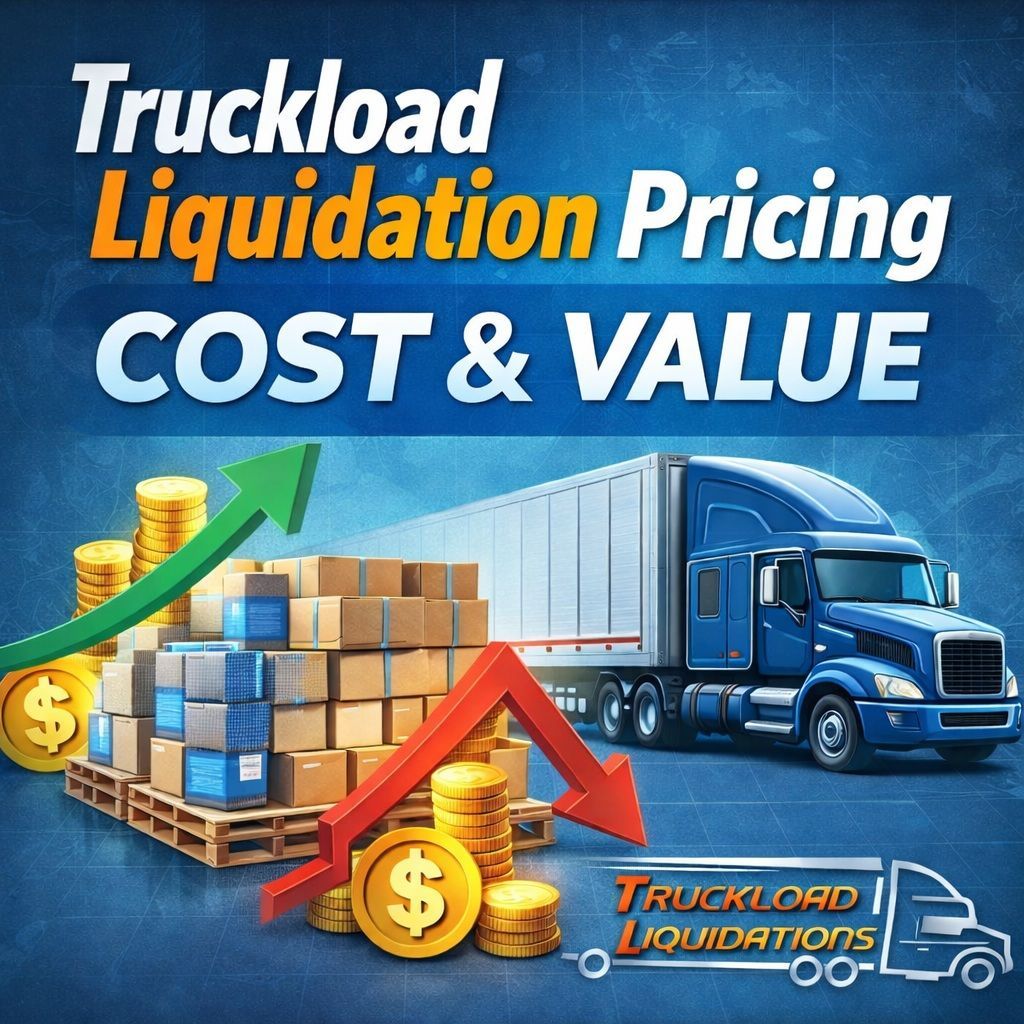
The lowest-priced truckload is not always the best deal. True value comes from matching inventory cost with labor capacity, sales channels, and expected sell-through speed.
Buyers who focus on total operational profitability—not just upfront pricing—consistently achieve stronger long-term results in the liquidation market.